
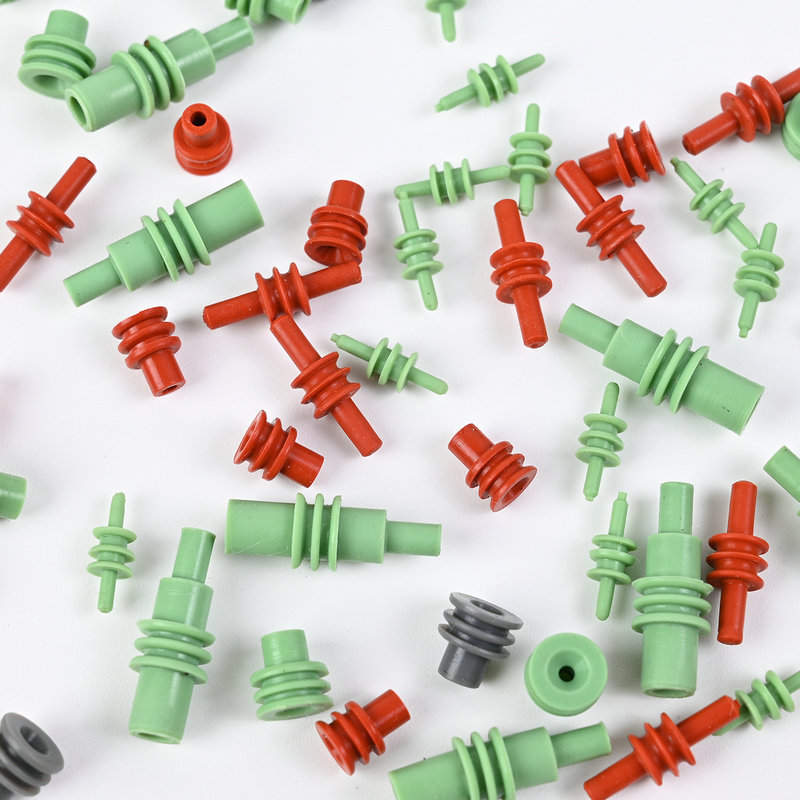
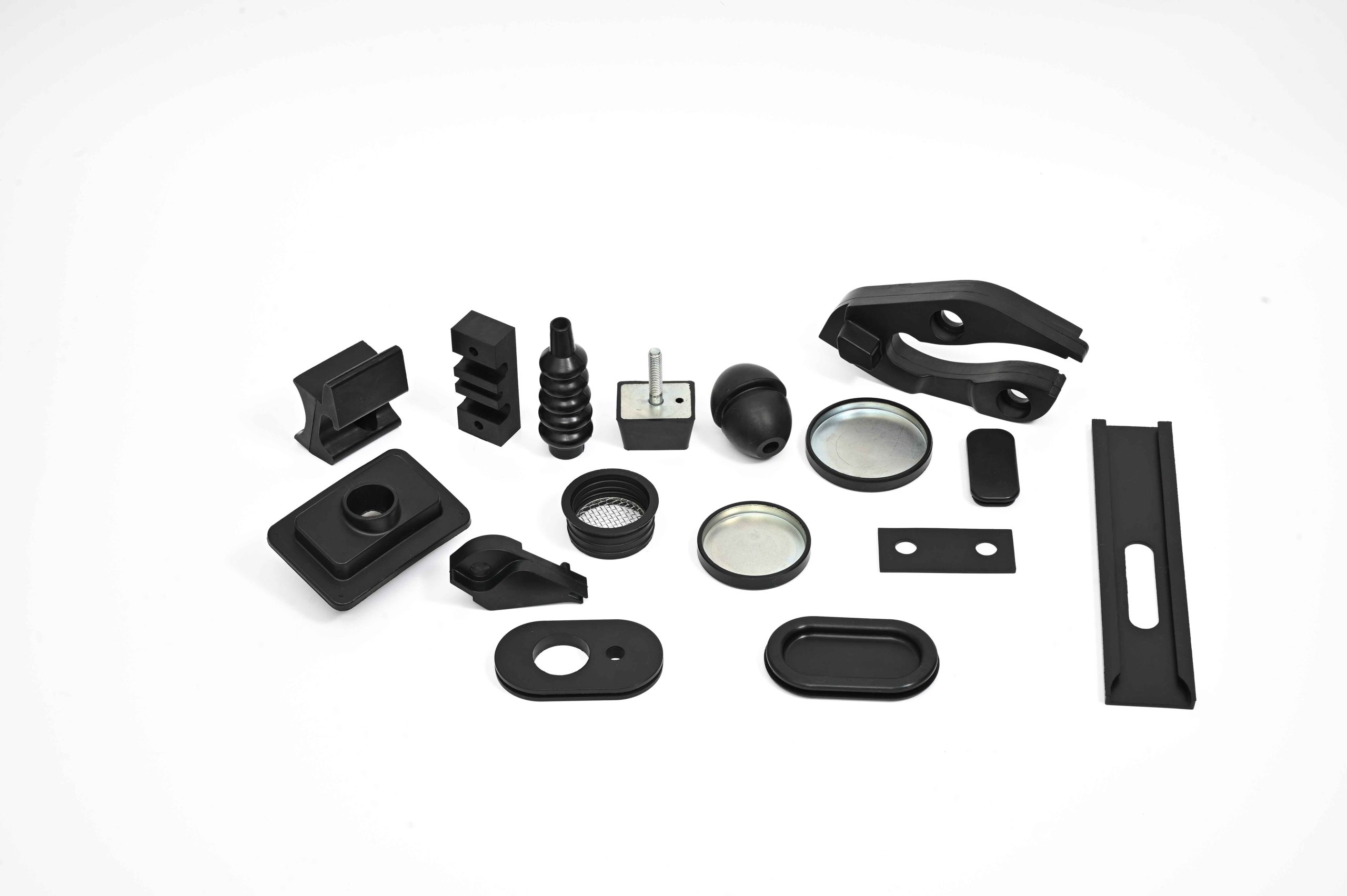
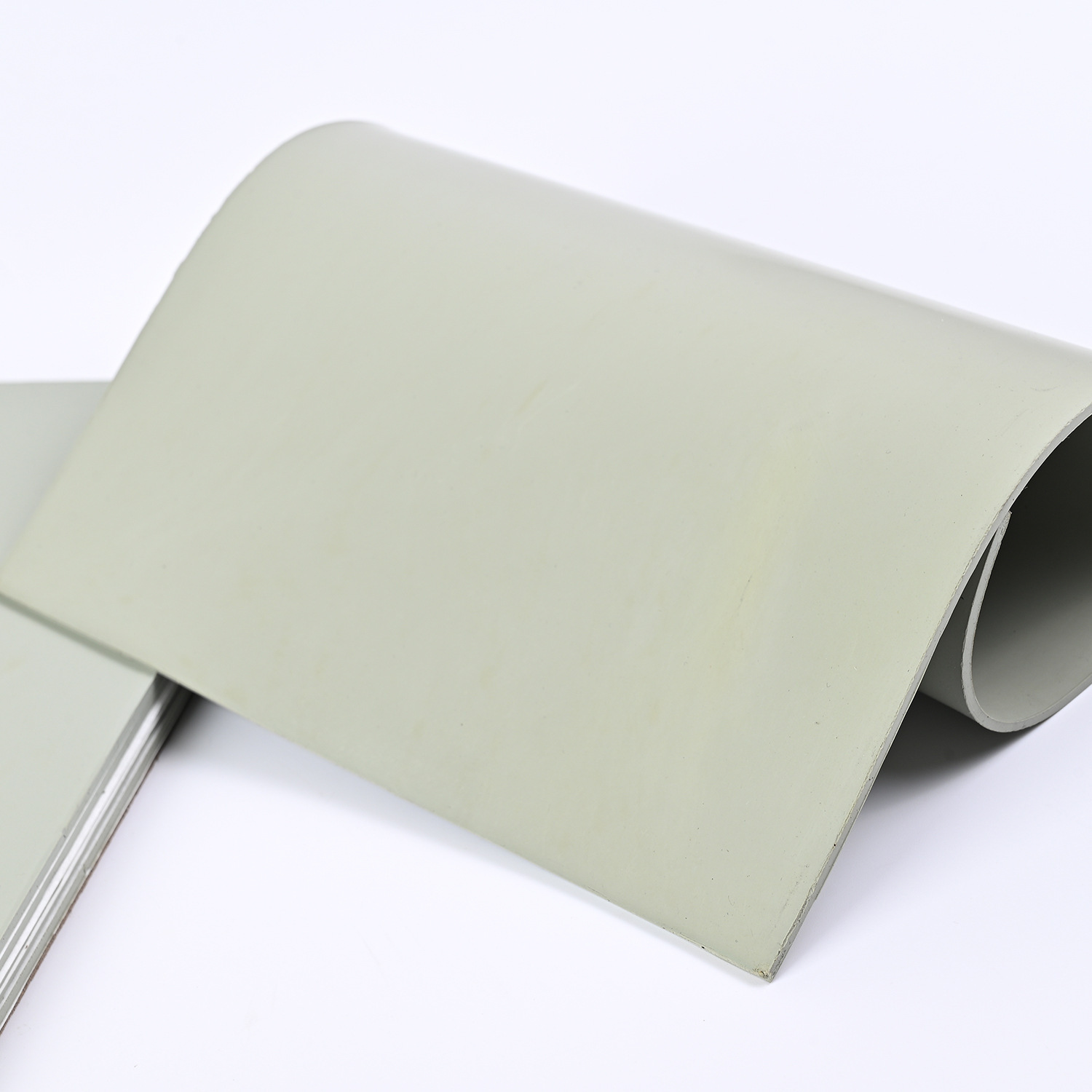
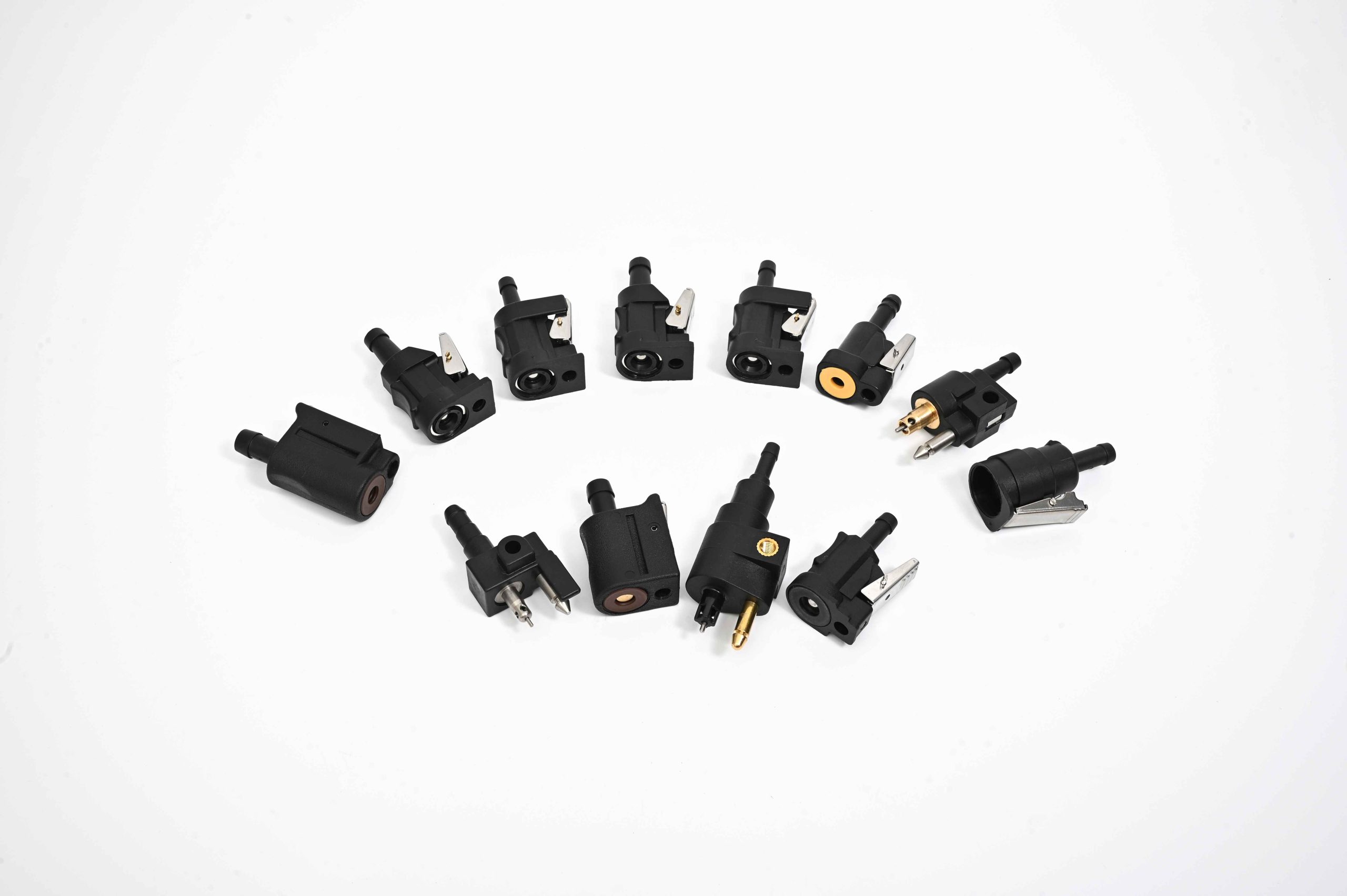
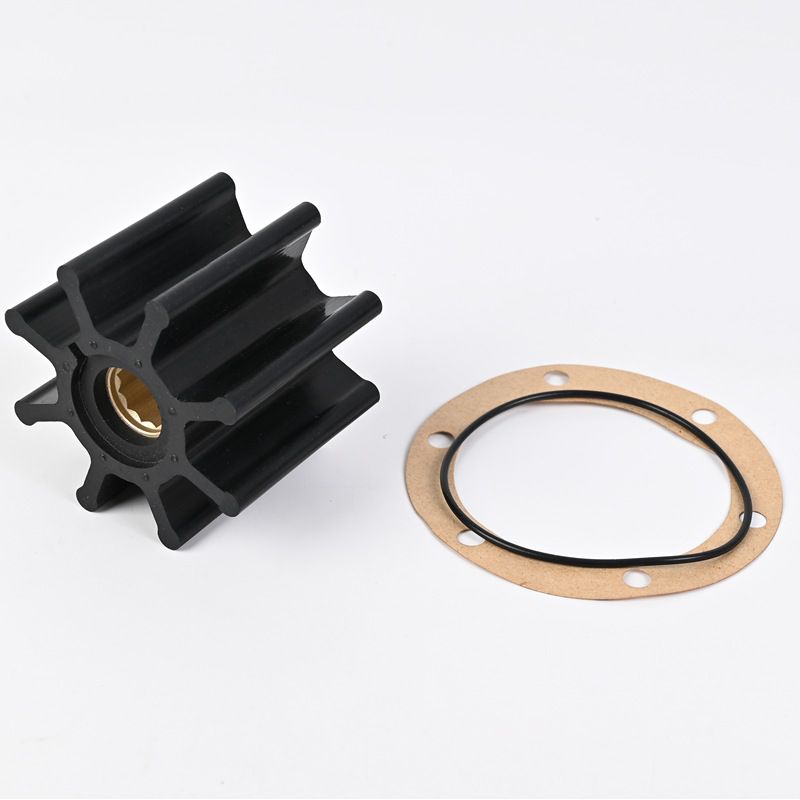
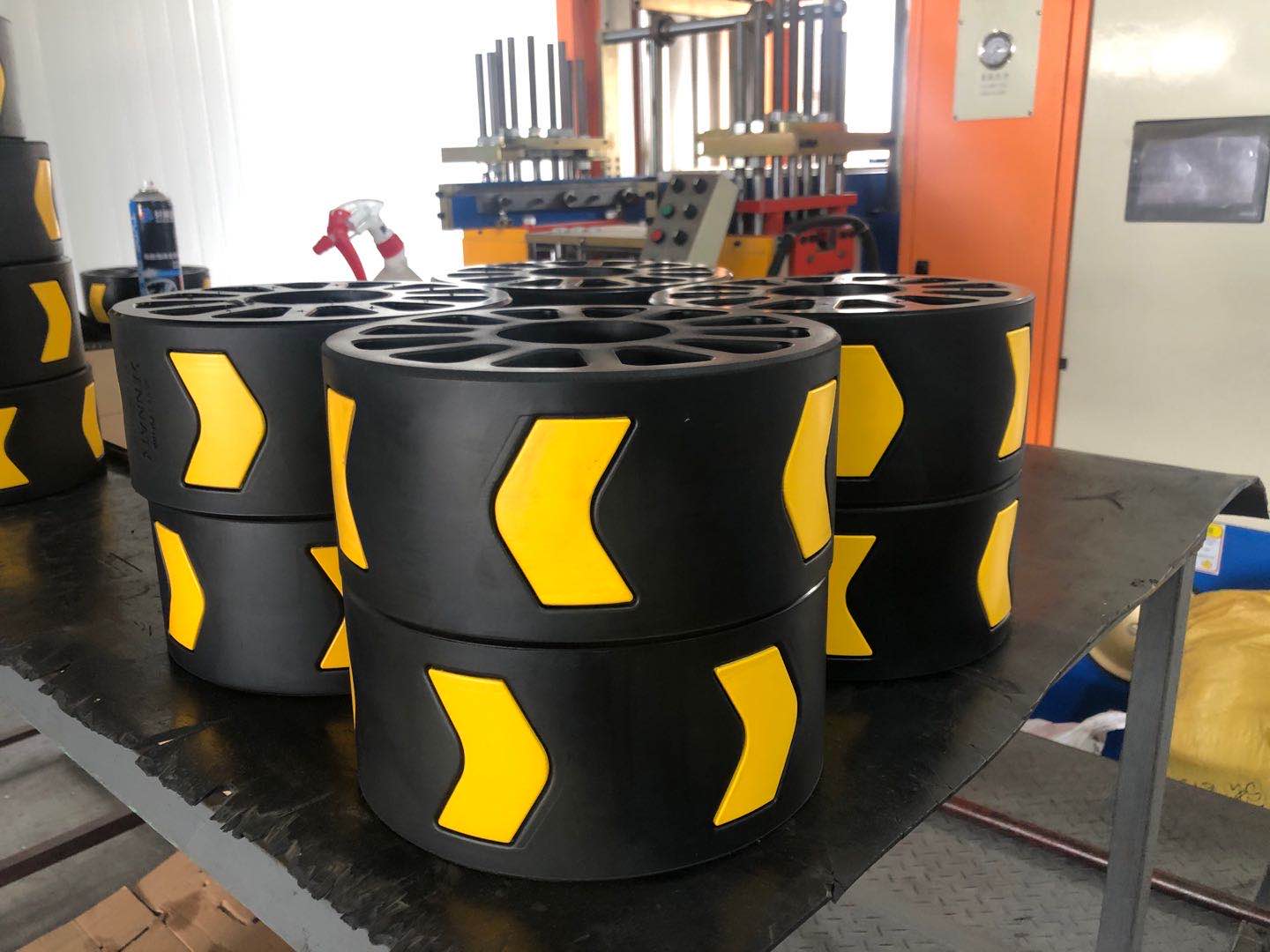
Rubber molding is the backbone of countless industries, shaping everything from automotive seals to medical-grade components. But have you ever wondered how raw rubber transforms into precise, high-performance parts? Understanding the different molding techniques and processes can help businesses choose the best manufacturing method for their needs.
The Key Rubber Molding Techniques
1. Compression Molding – One of the oldest and most cost-effective methods, compression molding involves placing pre-measured rubber into a heated mold. Pressure is then applied to shape the rubber. This technique is ideal for producing durable, large-volume parts with minimal waste.
2. Injection Molding – A highly efficient process, injection molding forces heated rubber into a closed mold under high pressure. This method allows for intricate designs, consistent quality, and faster production cycles, making it perfect for precision components.
3. Transfer Molding – A hybrid of compression and injection molding, this process uses a chamber to preheat and transfer rubber into the mold. It ensures high accuracy and is often used for rubber-metal bonded parts or complex shapes.
4. Extrusion Molding – While not technically a molding process, rubber extrusion forces rubber through a shaped die to create continuous profiles, such as tubing, seals and gaskets. This technique is efficient for high-volume production.
The Rubber Molding Process: Step-by-Step
1. Material Selection – The process starts with choosing the right rubber compound based on flexibility, heat resistance, durability, or chemical resistance.
2. Mold Design & Engineering – Precision molds are created using CAD technology, ensuring accurate dimensions and consistency.
3. Molding & Curing – Rubber is molded under heat and pressure, then cured (vulcanized) to enhance strength, elasticity and longevity.
4. Trimmer & Finishing – Excess material is removed, and final quality checks are conducted to ensure the product meets exact specifications.
5. Testing & Quality Control – The final step involves rigorous testing for durability, performance, and compliance with industry standards.
Why It Matters
The right molding technique impacts the quality, efficiency and cost of production. Whether you need flexible gaskets, shock-absorbing mounts, or high-precision industrial seals, choosing the optimal process ensures superior performance and longevity.
Partner with Experts in Rubber Molding
At JQ Rubber, we specialize in precision rubber molding, offering customized solutions to meet your specific needs. Our advanced manufacturing capabilities, combined with decades of expertise, ensure high-quality, cost-effective rubber components for a wide range of industries. Check out our product list to see how we can support your next project!