
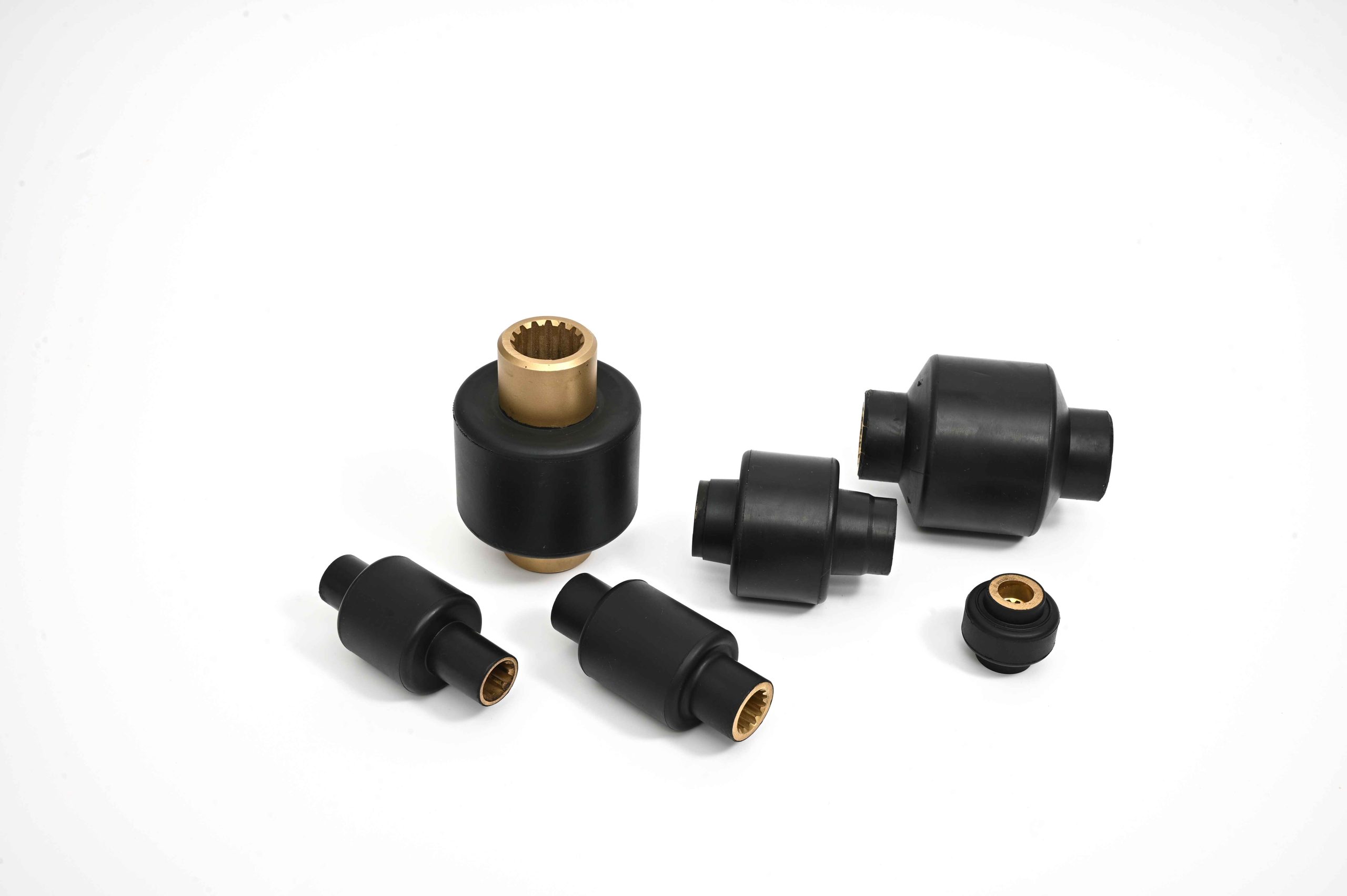
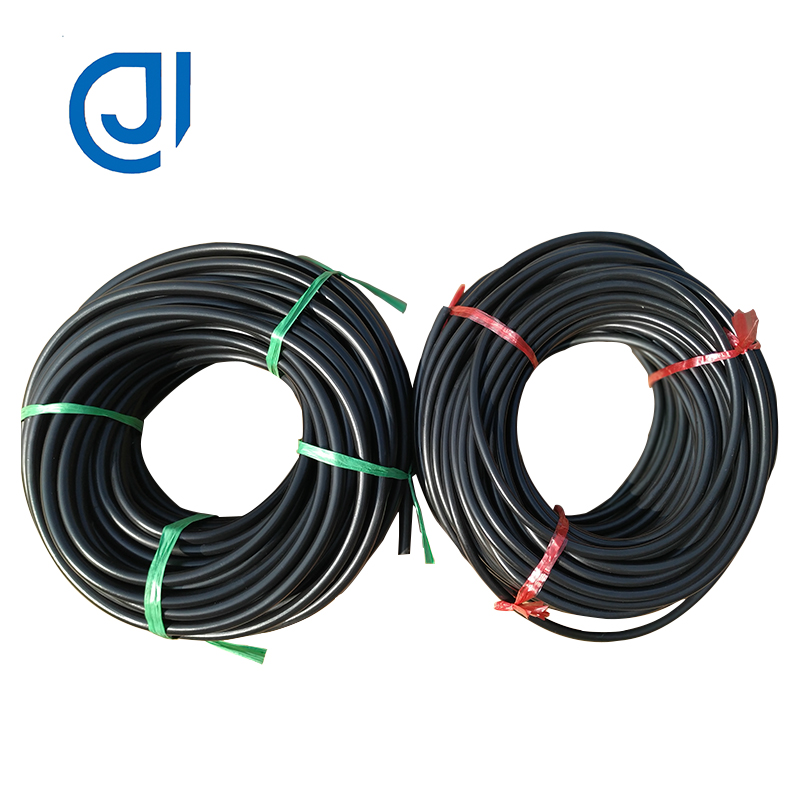
Rubber is one of the most versatile materials in the world, used in industries ranging from automotive and aerospace to medical and consumer goods. However, not all rubber is the same – each type has distinct properties that make it suitable for specific applications. In this Guide, we’ll break down the key differences between the most commonly used rubber materials, making it easier for you to choose the right one for your needs.
1. Natural Rubber (NR)
Best for: High elasticity, good tensile strength, and excellent resilience
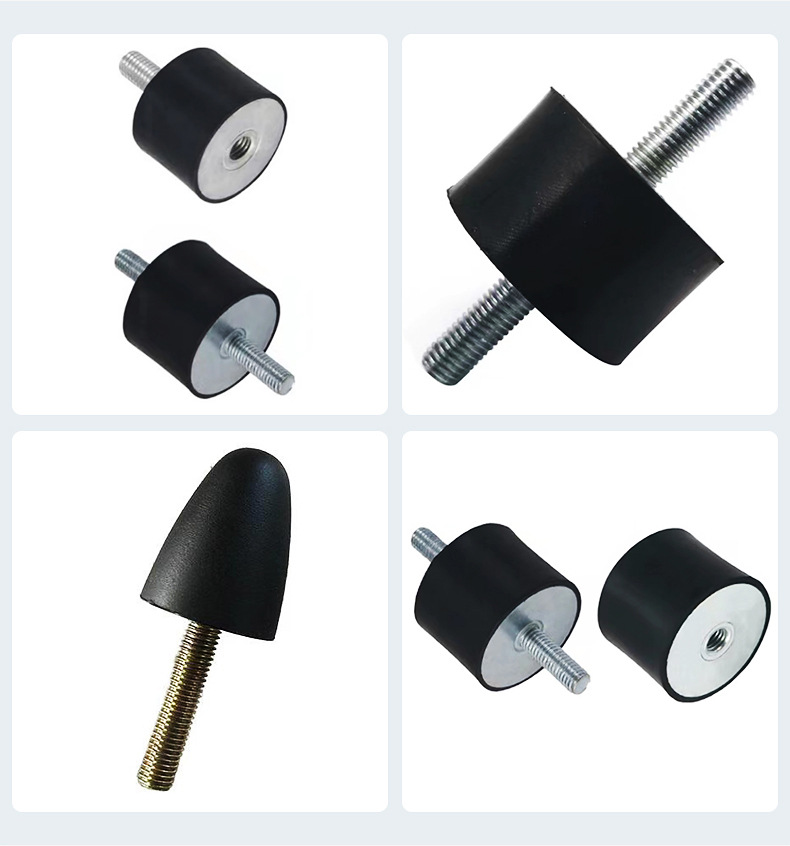
Common Applications: Tires, conveyor belts, vibration mounts, industrial rollers
Natural rubber, derived from latex harvested from rubber trees, is known for its outstanding elasticity and durability. It performs well under dynamic stress, making it ideal for applications that require flexibility and shock absorption. However, it has poor resistance to oils, chemicals, and ozone exposure, which can lead to degradation over time.
2. Nitrile Rubber (NBR)
Best for: Oil and fuel resistance, durability, affordability
Common Application: O rings, fuel hoses, gaskets, seals
Nitrile rubber is a synthetic rubber known for its excellent resistance to oils, fuels, and greases, making it a top choice for automotive and industrial applications. It also has good mechanical strength, but it is not as flexible as natural rubber and can become brittle at low temperatures.
3. Silicone Rubber
Best for: High-temperature resistance, food and medical applications
Common Applications: Medical tubing, baking molds, electrical insulation, gaskets
Silicone rubber stands out for its ability to withstand extreme temperatures (-60℃ to 250℃) while maintaining flexibility. It is biocompatible, making it suitable for medical applications. However, it has lower mechanical strength and tear resistance compared to other rubbers.
4. EPDM Rubber (Ethylene Propylene Diene Monomer)
Best for: Weather resistance, UV and ozone resistance, outdoor applications
Coomon Applications: Seals, weatherstripping, roofing membranes, automotive hoses
EPDM is widely used in outdoor environments because of its excellent resistance to UV exposure, ozone and extreme weather conditions. It also has good flexibility and resistance to water and steam. However, it does not perform well in environments with oils and fuels.
5. Neoprene Rubber (CR)
Best for: Moderate oil resistance, weather resistance, flame resistance
Common Applications: Wetsuits, gaskets, hoses, industrial belts
Neoprene is a synthetic rubber with a balanced mix of oil resistance, weather durability, and chemical resistance. It is often used in marine and automotive applications but is not as resistant to petroleum-based fluids as nitrile rubber.
6. Fluoroelastomer (FKM/Viton®)
Best for: High chemical and heat resistance
Common Application: Aerospace seals, fuel system components, high-performance gaskets
Fluoroelastomers, commonly known by the brand name Viton® are engineered for extreme environments. They withstand high temperature (up to 200℃), agressive chemicals, and harsh fuels, making them ideal for aerospace and industrial applications. However, they are more expensive than other rubber types.
7. SBR (Styrene-Butadiene Rubber)
Best for: Cost-effective alternative to natural rubber, good wear resistance
Common Applications: Tires, conveyor belts, footwear soles, industrial hoses
SBR is a synthetic rubber that mimics many properties of natural rubber but is more cost-effective. It offers good abrasion resistance, making it useful for tires and flooring. However, it lacks strong resistance to oils and weathering.
Choose the Right Rubber for Your Application
When selecting a rubber material, consider the following factors:
- Temperature range: Does the material need to withstand extreme heat or cold?
- Chemical exposure: Will it come into contact with oils, fuels, or harsh chemicals?
- Mechanical properties: Does it need high flexibility, strength, or abrasion resistance?
- Environmental conditions:Will it be exposed to UV, ozone or weathering?
Choosing the right rubber material is essential for achieving optimal performance, durability, and cost-effectiveness. Each type of rubber has unique properties suited for different applications, from extreme heat resistance to superior flexibility. At JQ rubber, we have extensive experience in rubber material selection and customization. Our expert team can formulate a tailored rubber compound to meet your exact application needs. Contact us today to discuss your requirements and discover the best rubber solution for your project!